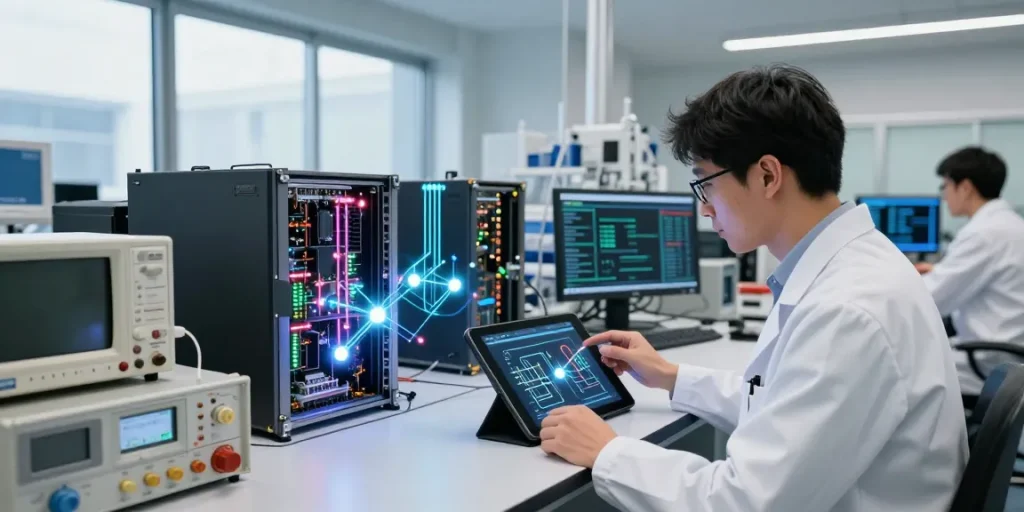

The Fundamentals of Quantum Computing
Quantum computing represents a transformative leap in technology, harnessing the peculiar properties of quantum mechanics to process information in fundamentally new ways. As we edge closer to a new era of computational potential, understanding the underlying principles of quantum computing becomes crucial not only for researchers but also for businesses poised to leverage this technology. In this comprehensive guide, we will delve into the intricate world of quantum computing, exploring its foundational concepts, current applications, and the myriad of challenges it faces as we look ahead toward 2026. When examining the future landscape, quantum computing emerges as a critical player in various industries, from cryptography to healthcare.
What is Quantum Computing?
At its core, quantum computing is a field of study that focuses on developing computers based on the principles of quantum mechanics. Unlike classical computers that use bits (0s and 1s) to process information, quantum computers use quantum bits or qubits. These qubits can represent and store information in a way that allows them to be in multiple states at once, thanks to a phenomenon known as superposition. This unique ability gives quantum computers the potential to solve complex problems with unprecedented speed and efficiency.
Key Principles: Qubits and Entanglement
Two fundamental principles that underlie quantum computing are superposition and entanglement. Superposition allows a qubit to exist in multiple states simultaneously, enabling it to perform many calculations at once. On the other hand, entanglement is a quantum phenomenon where the states of two or more qubits become interconnected, even when separated by large distances. This means that the state of one qubit can instantly affect the state of another, no matter how far apart they are. Together, these principles enable quantum computers to tackle problems that are currently impossible for classical computers.
The Difference Between Classical and Quantum Computers
The stark contrast between classical and quantum computers lies in their processing capabilities. While classical computers perform calculations sequentially, quantum computers can carry out numerous calculations in parallel due to their ability to utilize superposition and entanglement. This characteristic allows quantum computers to approach certain problems—such as factoring large numbers or simulating quantum systems—much faster than classical counterparts. As advancements in quantum technology continue to unfold, we may witness a paradigm shift in computational capabilities.
Current Applications of Quantum Computing
Quantum computing is not merely theoretical; it has already begun to find applications across a range of industries. Its ability to process vast amounts of data quickly and efficiently opens up possibilities that were once thought unattainable.
Breaking Cryptography: The Future of Security
One of the most discussed applications of quantum computing is its potential to break traditional cryptographic systems. Classical encryption methods, such as RSA, rely on the difficulty of factoring large numbers. Quantum computers, with their ability to execute Shor’s algorithm, could factor these numbers exponentially faster than classical algorithms, threatening the very foundation of digital security. As a response, researchers are investigating quantum-resistant algorithms to safeguard sensitive data against potential quantum attacks.
Optimizing Complex Systems: Case Studies
Quantum computing also holds promise for optimizing complex systems across various sectors. For example, in logistics, quantum algorithms can solve routing problems, optimizing delivery routes to reduce costs and improve efficiency. In finance, quantum computers can analyze risk and asset pricing, providing insights that were previously impractical due to the sheer volume of data. Companies such as D-Wave and IBM are already exploring these applications, demonstrating the practical benefits of quantum technology.
Industry Impacts: Healthcare, Finance, and Beyond
Industries like healthcare are also beginning to harness the potential of quantum computing. From drug discovery to personalized medicine, quantum algorithms can analyze complex biological data, paving the way for breakthroughs in treatment and prevention. As the technology matures, its impacts will ripple through various sectors, including energy, materials science, and artificial intelligence, fundamentally changing how industries operate.
Challenges Facing Quantum Computing Development
Despite its potential, the development of quantum computing technology is fraught with challenges that researchers and engineers must navigate to unlock its full capabilities.
Technical Limitations: Noise and Decoherence
One of the primary technical challenges in quantum computing is the issue of noise and decoherence. Qubits are highly sensitive to their environment, and interactions with external factors can lead to errors in calculations. Decoherence occurs when qubits lose their quantum state due to these interactions, disrupting the computation process. Finding ways to isolate qubits and maintain their coherence for longer periods is critical for advancing quantum technology.
Market Readiness: Adoption Barriers
Another significant challenge is the readiness of the market to adopt quantum technologies. There is a gap between the theoretical promise of quantum computing and its practical implementation. Organizations need to invest in infrastructure, training, and research to harness the benefits of quantum computing. Furthermore, the lack of clear standards and frameworks for quantum programming exacerbates the slow transition from research to application.
Workforce Shortages: Skills and Education Needed
The growth of quantum computing also requires a workforce equipped with the necessary skills and expertise. There is currently a shortage of professionals trained in quantum mechanics, computer science, and engineering. Educational institutions and industry leaders must collaborate to develop programs that nurture talent in this critical field, ensuring a robust pipeline of experts to drive innovation.
The Future of Quantum Computing in 2026
As we look toward 2026, the trajectory of quantum computing appears promising yet uncertain. Significant advancements in technology and investment will shape the landscape of this burgeoning field.
Projected Growth and Market Trends
According to industry forecasts, quantum computing is projected to grow substantially, with the market potentially reaching billions by 2030. As more organizations recognize the potential benefits of quantum technologies, investments are likely to increase, paving the way for startups and established companies to innovate and develop new applications.
Emerging Technologies and Innovations
New developments in quantum hardware and software are also anticipated to emerge. Innovations such as quantum algorithms, error correction methods, and hybrid quantum-classical systems will expand the capabilities of quantum computing, making it more accessible to businesses of all sizes.
Predictions for Quantum Dominance
While it is challenging to predict the exact timeline for quantum dominance, many experts believe that by 2026, we will see significant strides in practical applications of quantum computing. Industries that invest early in quantum technologies may gain a competitive edge, setting the stage for a new era of computational capabilities.
Getting Started with Quantum Computing
For individuals and organizations interested in exploring the world of quantum computing, several resources are available to facilitate learning and engagement in this exciting field.
Resources: Books, Courses, and Workshops
A plethora of educational resources exists for those starting in quantum computing. Online platforms offer courses that cover the basics of quantum mechanics, quantum algorithms, and programming for quantum systems. Additionally, reading materials, including textbooks and research papers, can provide deeper insights into the theoretical foundations and applications of quantum computing.
Community and Networking Opportunities
Engaging with the quantum computing community is invaluable for aspiring quantum engineers. Attending conferences, workshops, and meetups allows individuals to connect with experts, share knowledge, and learn about the latest developments in the field. Online forums and social media groups also provide platforms for discussion and networking.
Best Practices for Aspiring Quantum Engineers
For those aiming to build a career in quantum computing, it is essential to focus on interdisciplinary education that combines computer science, physics, and mathematics. Gaining practical experience through internships and research projects can also enhance one’s understanding of quantum technologies. Staying updated with industry trends and participating in relevant projects will further contribute to developing a successful career in this rapidly evolving field.
What are the key benefits of quantum computing?
Quantum computing offers numerous benefits, including the ability to solve complex problems faster than classical computers, optimize resource allocation, and enhance data security through quantum encryption methods. These advantages can lead to significant improvements in various industries and make previously intractable problems solvable.
How does quantum computing impact cybersecurity?
The impact of quantum computing on cybersecurity is profound. While quantum computing poses a threat to traditional encryption methods, it also offers new ways to secure data through quantum key distribution. This method enables secure communication channels that are virtually unbreakable, significantly enhancing cybersecurity.
What industries are leading in quantum computing research?
Industries leading in quantum computing research include technology giants such as IBM, Google, and Microsoft, along with startups specializing in quantum hardware and software. Additionally, sectors like finance, healthcare, and logistics are exploring quantum applications to enhance operational efficiencies and innovate solutions.
What are the skills needed to work in quantum computing?
Skills needed for a career in quantum computing include a strong foundation in quantum mechanics, proficiency in programming languages used for quantum computers (such as Qiskit or Cirq), and a solid understanding of algorithms and computational theory. Additionally, problem-solving abilities and teamwork skills are crucial for success in this interdisciplinary field.
How can businesses leverage quantum computing technology?
Businesses can leverage quantum computing technology by identifying specific challenges that quantum algorithms can address. By investing in partnerships with research institutions and technology providers, organizations can explore pilot projects that utilize quantum computing for optimization, simulation, and enhanced data analysis, positioning themselves at the forefront of technological innovation.